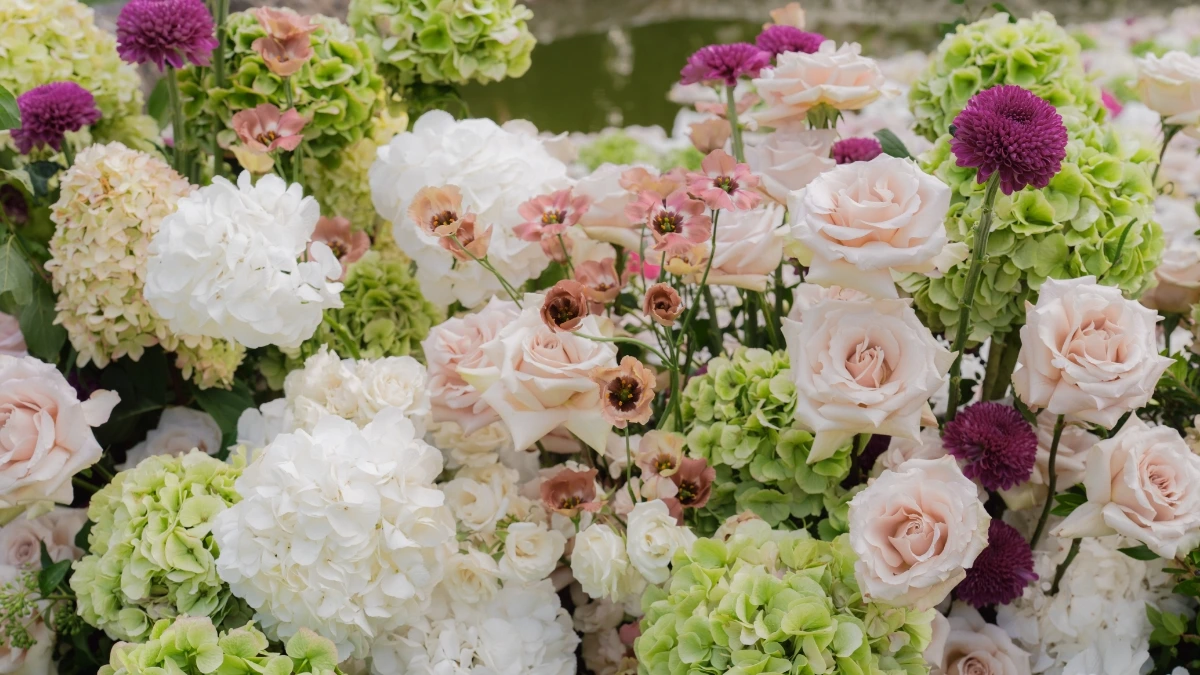
When you start imagining your wedding day, flowers often come to mind almost instinctively, not necessarily as a conscious choice, but because they are at the center of most of the imagery you come across.
From Pinterest to editorial features, floral design is often what first defines the atmosphere of a wedding, shaping the way it is perceived even before all the other elements are considered.
And yet, choosing your wedding flowers is rarely as simple as it seems.
Beyond personal taste, floral design is shaped by a combination of factors, from color palette and overall style to seasonality and the natural characteristics of each bloom. When these elements come together, flowers do much more than decorate a space: they help define the atmosphere and bring your vision to life.
In this guide, we’ll walk you through how to choose your wedding flowers step by step, so you can make thoughtful decisions that feel cohesive, intentional, and truly reflective of your celebration.
Wedding Color palette
Flowers are not the starting point of your wedding design, but one of the elements that bring your vision to life. For this reason, the first real step is not choosing the flowers, but defining the overall aesthetic vision you want to create.
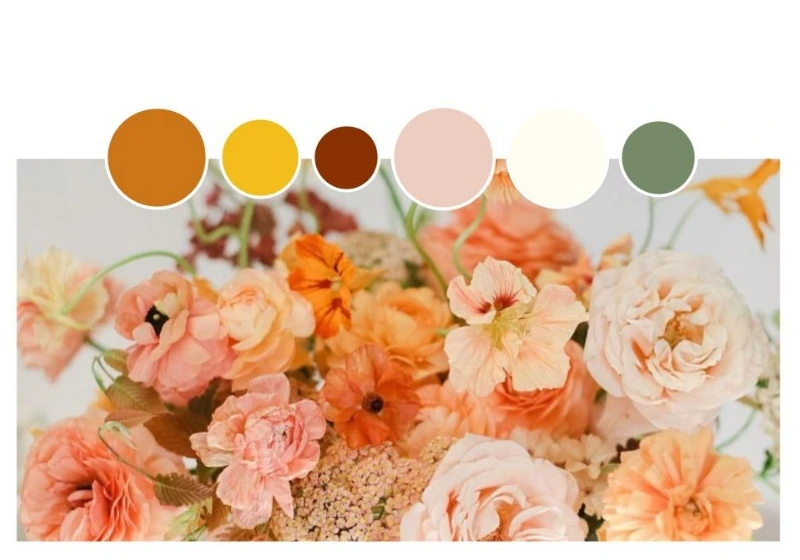
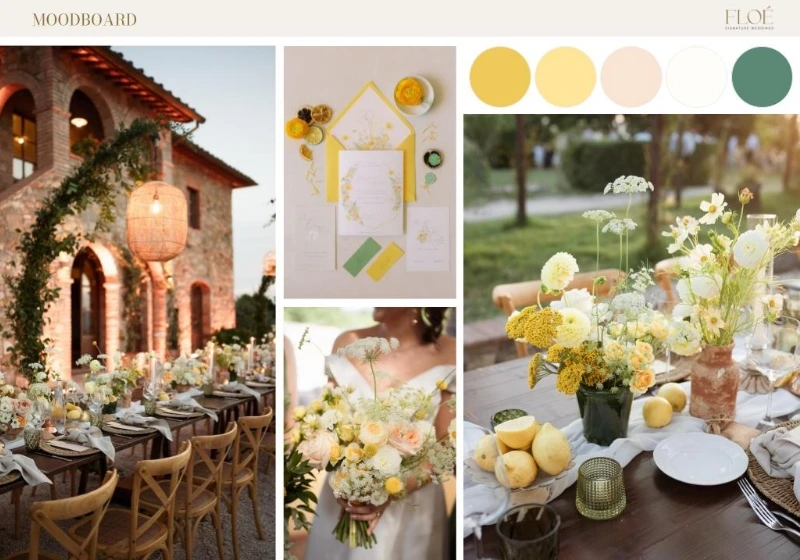
When we work with our couples on the design for their wedding in Tuscany, which is always unique and fully tailored, this is exactly where we begin. We start by creating a mood board that sets the visual direction and defines the aesthetic guidelines for the entire event. Once the spaces for each moment of the celebration have been identified, the next essential step is to develop this inspiration mood board that includes both color palette and style.
When it comes to color palette, the question is: how do you translate a simple Pantone reference into something real?
Because flowers don’t bloom based on a Pantone code. Their color naturally varies depending on factors such as blooming stage, temperature, and growing conditions. And this is precisely part of their beauty: they are rich in nuances and subtle variations.
The answer lies in a well-balanced combination of elements such as furniture, fabrics, tableware, accessories and, of course, flowers. It’s important to remember that it’s never about a single element, but about how everything works together, including the venue and the surrounding landscape to bring your initial vision to life. Your floral design should never exist in isolation, but rather complement and enhance the overall wedding aesthetic.
Your palette can be minimal, built around soft neutrals such as white and ivory, or more expressive, exploring vibrant and colorful tones. There’s no need to define every single shade in advance; focusing on the main tones you love is more than enough.
Some flowers, like roses, tulips, dahlias, carnations, and sweet peas, come in a wide range of shades. Others are more limited. The key is to carefully combine blooms that align with your palette while creating a visually harmonious result.
A final tip: many of the images you find online are edited, and the colors you see don’t always reflect reality. For this reason, it’s important to trust your wedding planner or florist, who has the experience and knowledge to guide you in selecting flowers based on how they truly look in real life.
Wedding style
As mentioned earlier, defining your color palette is only the first step. Once you have identified the tones you are drawn to, the next essential step is understanding how you want to express them.
Take a simple palette of white and ivory as an example. The same colors can be interpreted in completely different ways, depending on the style you choose.
It can feel elegant and timeless, with refined floral selections and clean, structured compositions, often leaning toward a more classic aesthetic.
Or, it can become sculptural and contemporary, following current trends, where greenery is minimal or absent and flowers are used to create volume, shapes, and more defined geometries.
It can feel organic, with flowers arranged to reflect how they naturally grow, grouped by variety, with soft movements and touches of greenery that enhance their spontaneity.
Or it can take on a more country-inspired look, with smaller blooms, mixed varieties, and looser, more relaxed compositions that feel informal and textured.
These are just a few examples. The possibilities are endless, and ultimately the only real limit is imagination.
What matters is understanding this: colors are the code, while style is the way that code is brought to life.
So the real question becomes: what feels like you? What kind of aesthetic truly represents you as a couple?
This step is fundamental if you want your wedding, and especially your floral design, to tell your story in a meaningful and authentic way. For this reason, every wedding we plan is always design-led and includes a guided process to define the overall aesthetic, as part of our bespoke wedding planning approach.
When it comes to creating your moodboard, there’s no need to collect dozens of images. A small selection of three or four references is often enough, as long as they clearly express the atmosphere and direction you have in mind at a glance.
Flowers Shape and Composition
As mentioned earlier, there are many different styles through which floral arrangements can be created. Compositions can be round and compact, airy and ethereal, rustic and organic, minimal and structured, and much more.
To achieve a specific look, choosing the right flowers is essential. Not all flowers are the same when it comes to shape, size, texture, and flexibility, and the way they are combined plays a key role in defining the overall style.
For this reason, selecting flowers is not just about personal preference for a single bloom, but about how each element supports (or contrasts with) the desired aesthetic, and how different flowers work together to create a balanced and harmonious composition.
For example, flowers such as roses and peonies are naturally round and full, and tend to create a lush, elegant effect.
On the other hand, lisianthus and sweet peas are more delicate and airy, instantly adding lightness and a softer, more whimsical touch to an arrangement.
Flowers like carnations and hydrangeas have a fuller structure that helps fill space and create volume, making them particularly useful for more abundant compositions.
More sculptural flowers, such as calla lilies and anthuriums, convey a sense of modernity and are ideal for cleaner, more contemporary designs.
Beyond the choice of flowers, the way they are arranged also has a significant impact on the final result. In some cases, a limited selection of blooms is enough, with the movement and structure of the composition creating visual interest. In others, combining larger flowers, such as hydrangeas, with smaller blooms and softer elements becomes key to achieving a richer and more layered look.
Ultimately, the way flowers are selected and combined is what translates your style into something tangible.
But before moving on to specific flower varieties, there is one essential factor that will influence every choice: seasonality.
Flowers seasonality
Once the overall mood and color palette have been defined, you can start focusing on the details and thinking about which flowers will best bring your vision to life.
Before doing so, however, there is one essential aspect to keep in mind: seasonality.
Understanding which flowers are in season is fundamental, and there are two main reasons for this.
First, it’s about the final result. Seasonal flowers are naturally at their best: more vibrant, fuller, and visually impactful. Choosing flowers that are out of season often means working with blooms that are more delicate, smaller than usual, or less resistant to the environmental conditions of your wedding day.
For example, flowers that typically bloom in winter or early spring may struggle to withstand summer temperatures, especially during outdoor celebrations, and may not maintain their freshness throughout the event.
Availability is another important factor. While the global market makes it possible to source flowers from almost anywhere, importing blooms from distant locations always involves a degree of uncertainty. Some varieties may not arrive in perfect condition, which can affect the final result.
The second reason is related to budget. Seasonal flowers are generally more cost-effective, as they are locally available and easier to source. Out-of-season blooms, on the other hand, often require international shipping, which increases costs significantly.
In addition, their more delicate nature may require ordering larger quantities to account for potential damage during transport or to ensure replacements are available if needed during the event.
When it comes to selecting specific flowers, it’s important to remember that you don’t need to define every single variety in advance. A professional florist will guide you through the process and help you make the best choices based on season, availability, and overall design.
That said, identifying a few key flowers that define your aesthetic can be helpful in visualizing the final result and giving direction to your design.
Most popular flowers
When it comes to wedding flowers, the variety is almost endless.
Did you know that there are over 30,000 varieties of roses alone?
This gives you an idea of how much room there is for creativity, but also how overwhelming the choice can become when trying to identify the right flowers for your wedding.
That said, after more than ten years of experience in wedding planning, there are certain flowers that remain consistently popular — not just because of tradition, but because of their versatility, beauty, and ability to adapt to different styles.
Peonies
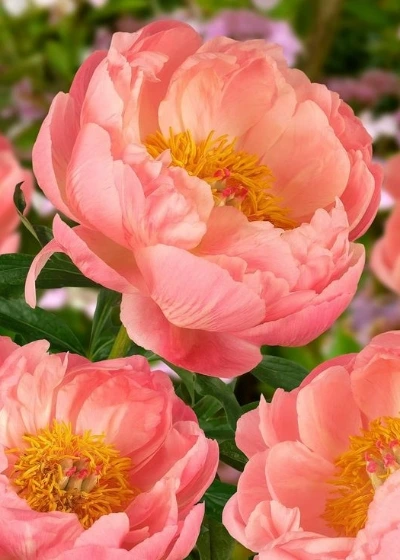 | 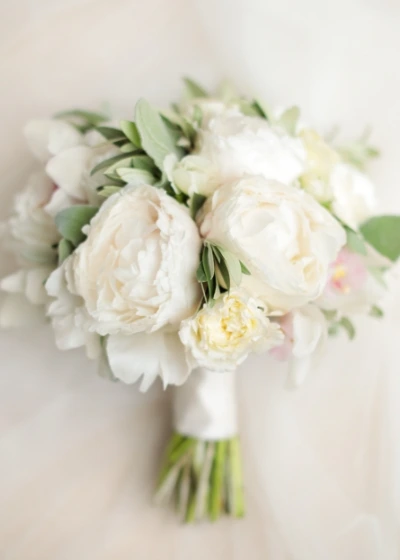 |
One of the most iconic spring flowers, peonies have long been among the most desired blooms by brides.They are available in a wide range of sizes, from around 15 up to 30 cm in diameter, and in shades that range from soft white to deep coral tones. There are over 3,000 known varieties, each with its own unique character. While the buds appear compact, round, and refined, once they bloom they reveal their inner yellow stamens, often creating a soft contrast with the petals and giving them a more relaxed, slightly wild look.
Despite their lush appearance, peonies are relatively delicate flowers and are best kept in water to preserve their freshness.
Roses
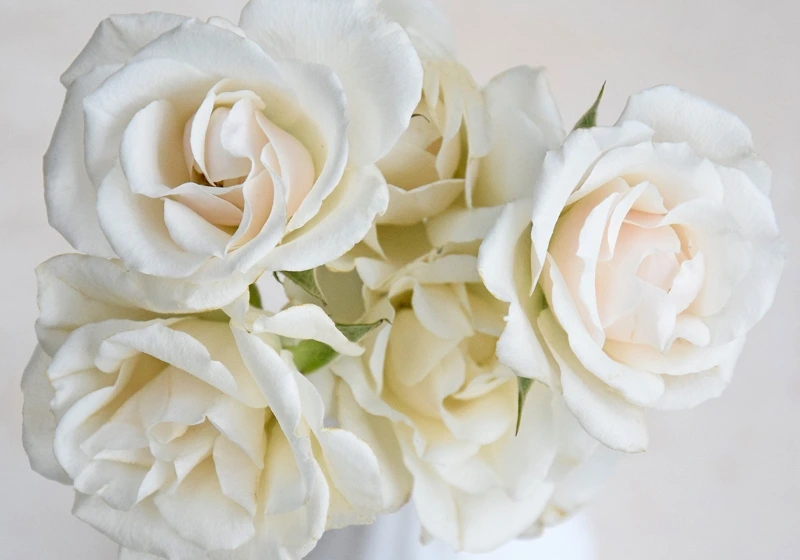
Roses are, without question, the most iconic wedding flower.
With an extraordinary range of varieties, they offer endless possibilities in terms of size, shape, and color. This versatility makes them suitable for virtually any wedding style, from classic to contemporary.
They are available throughout the year, but their durability makes them particularly appreciated among summer flowers, as they can withstand higher temperatures and adapt well to different types of arrangements, even those not constantly kept in water.
Dahlias
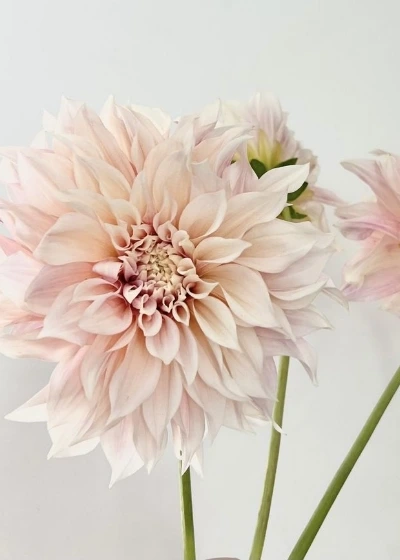 | 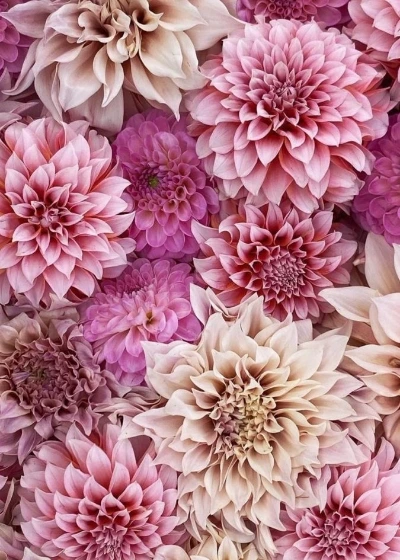 |
Available from late summer, dahlias are a quintessential autumn flower that has gained increasing popularity in recent years.
They come in a wide variety of shapes and colors, including the rich warm tones, from soft peach to deep burnt orange, that perfectly reflect the season.
Romantic yet structured, dahlias are extremely versatile and can be used in both classic and more modern or minimal compositions.
Anemones
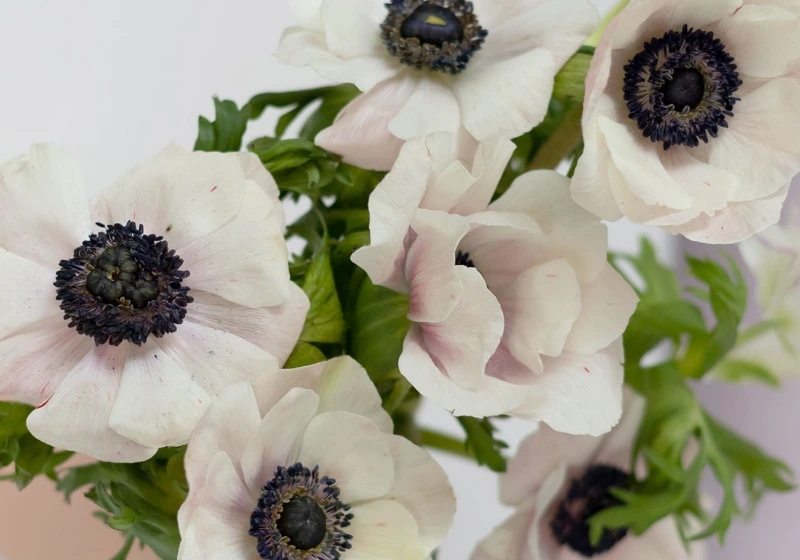
Anemones are among the most distinctive winter flowers. Their unique look, with a dark, almost black center contrasting against crisp white petals, makes them instantly recognizable and visually striking.
Because of this strong identity, they are difficult to replicate with other flowers. Couples who choose a winter wedding.
Typical Wedding Flowers in Tuscany
Beyond roses, widely cultivated in the Pistoia area, not far from Florence, there are several flowers you can admire simply by driving through the rolling hills of Chianti.
These are blooms that grow spontaneously and abundantly during specific times of the year, becoming part of the landscape itself and contributing to the unmistakable atmosphere of the Tuscan countryside.
Poppies
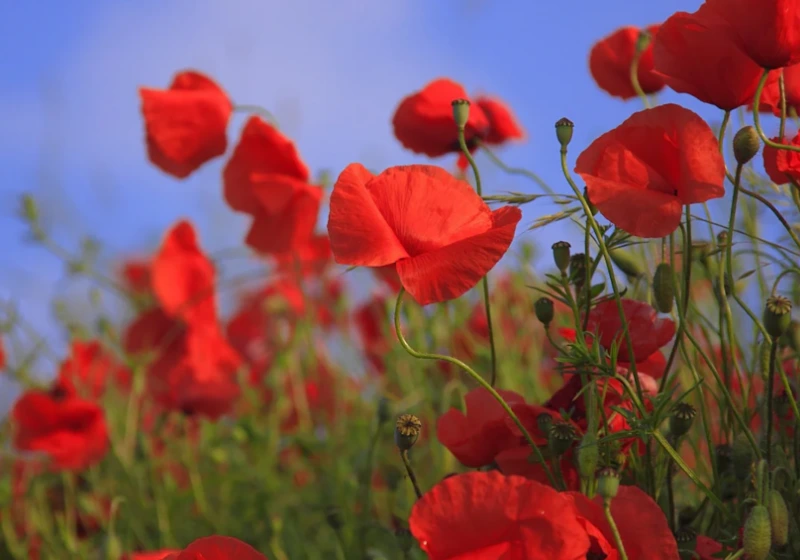
In recent years, poppies have become increasingly popular in wedding design for their light, airy appearance. While cultivated varieties available on the market tend to have stronger, more structured stems and come in a range of shades, from soft yellows and warm oranges to delicate pinks, the Tuscan poppy is quite different.
Typically a vivid red, it is smaller and more delicate, with a thin and flexible stem.It blooms across open fields from May to early June, creating some of the most iconic and poetic landscapes in Tuscany.
Sunflowers
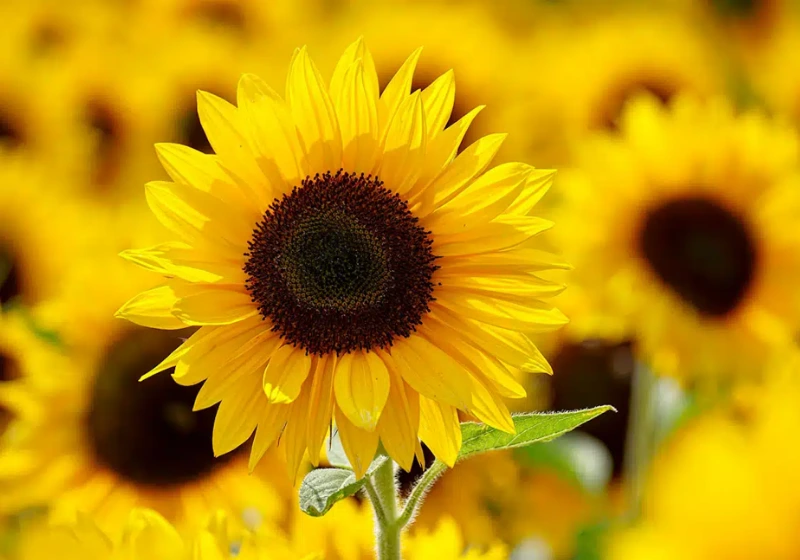
A true symbol of the Tuscan countryside, sunflowers are a bold and unmistakably summer flower.
They are primarily cultivated for purposes such as oil production, animal feed, and even cosmetics, rather than for decorative use. Yet, their visual impact is undeniable.
Their warm, golden tones and strong presence make them deeply connected to the identity of the region, and when used thoughtfully, they can add a distinctive and authentic Tuscan touch to a wedding.
Wisteria
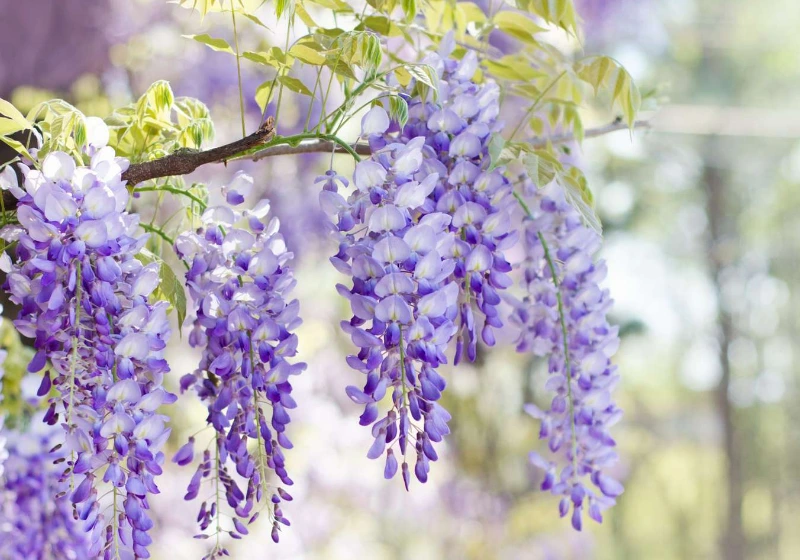
Imagine cascades of soft lilac blooms, accompanied by a delicate fragrance that gently fills the air.
If you’re lucky enough to experience this, you are most likely getting married in early spring.
Wisteria, a climbing plant commonly found in Tuscan gardens, reaches its peak bloom in April, creating romantic and atmospheric settings that feel almost suspended in time.
Lily
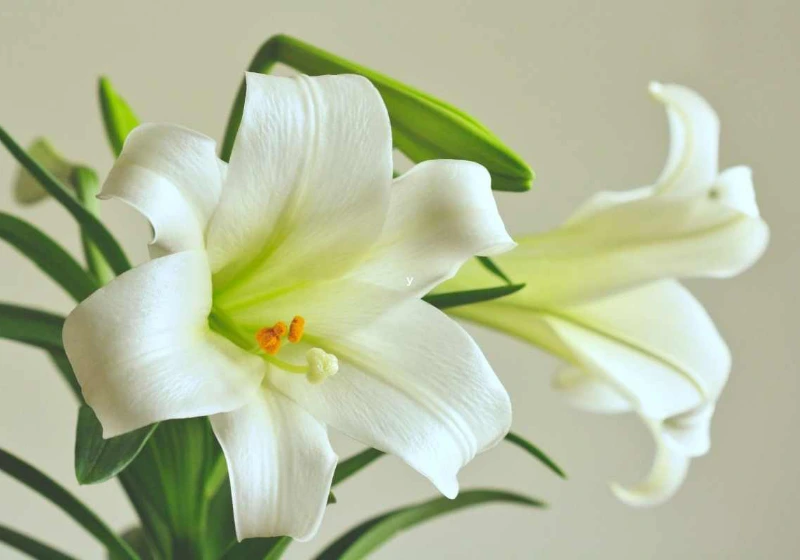
Last but not least, the lily: a powerful symbol of Florence itself.
Representing purity, elegance, and femininity, the lily has long been part of the city’s heraldic tradition.
Beyond its symbolic value, it is a striking and highly fragrant flower that can bring a refined and distinctly Florentine character to your wedding design. A curious detail: the “Giglio” is not only a flower, but also the name of one of the islands of the Tuscan archipelago.
Where to Go from Here
Flowers have the power to define the entire visual impact of your wedding day. When thoughtfully chosen, they don’t simply decorate a space. They shape the atmosphere and contribute to the overall experience of your celebration.
We understand that the process may not always feel immediate or straightforward. However, working closely with our couples, one of the most rewarding moments is seeing how an initial idea gradually takes form and eventually comes to life on the wedding day.
Floral design is an integral part of your wedding aesthetic. It reflects your style, enhances each moment, and tells your story in a subtle and meaningful way.
If you find yourself unsure about where to begin, or would like guidance in translating your vision into a cohesive floral design, feel free to get in touch. We would be happy to support you throughout the process.