One of the biggest misconceptions about planning a wedding in Tuscany is thinking that transportation will take care of itself.
Most couples imagine Tuscany as if it worked like a city, where taxis, Uber, or public transport are always within reach.
In reality, Tuscany works very differently.
Historic city centres, small medieval villages, rolling countryside and isolated villas all follow different rules. Understanding how people actually move around the region is one of the keys to planning a smooth destination wedding.
In this guide, we’ll explain how transportation really works in Tuscany, what to expect, and why planning it in advance can make a significant difference to both your budget and your guests’ experience.
Why Transportation Is Often Underestimated in Tuscany
Transportation is rarely one of the first things couples think about when they start planning a destination wedding in Tuscany.
Naturally, their attention goes to the atmosphere, the scenery, the flowers, the food, and the experience they want to create for their guests. Logistics usually come much later.
The challenge is that, in Tuscany, transportation isn’t just another item on the checklist.
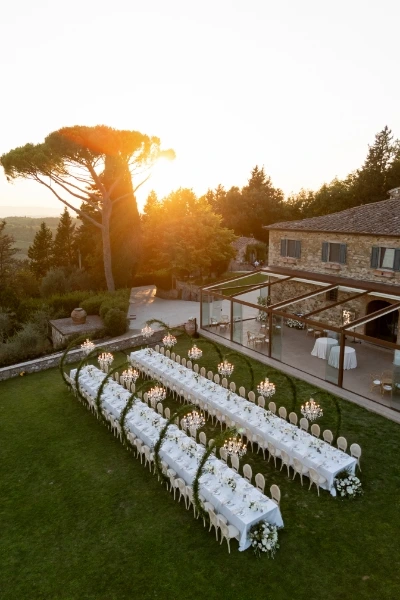
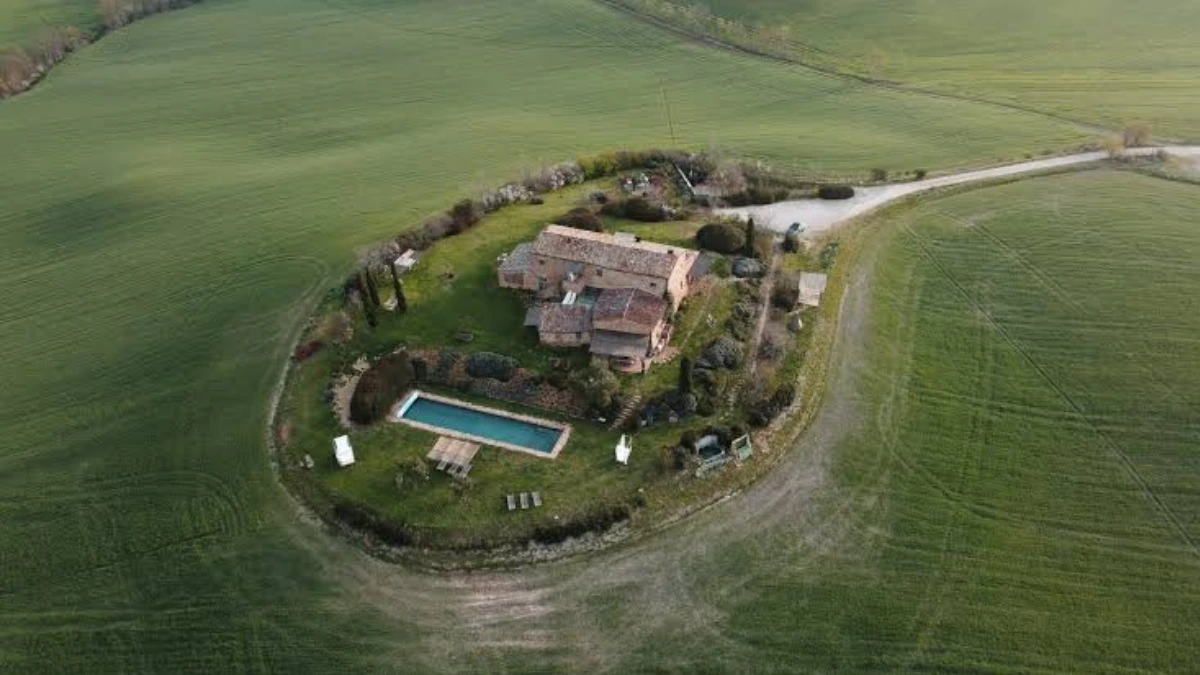
Many wedding venues are intentionally located away from urban centres, surrounded by vineyards, olive groves, or rolling hills. Their privacy and setting are part of what makes them so special, but they also influence how everyone moves throughout the wedding weekend.
Choosing the right venue isn’t only about style or scenery. Its location has a direct impact on guest accommodation, transportation, and the overall flow of the wedding weekend. That’s why venue selection is always one of the first planning decisions we make.
Transportation doesn’t only affect how wedding guests get from one place to another.
It’s closely connected to your venue, guest accommodation, and the overall flow of the wedding weekend. Planning these elements together allows you to guide guests towards practical accommodation options, communicate transportation arrangements clearly, and create a smoother experience from arrival to departure.
That’s why transportation is often considered from the very beginning of the planning process. It’s not because it’s particularly complicated, but because it helps shape a smoother, more enjoyable experience for everyone involved.
Getting to Tuscany Is Easy. Getting Around Is Different.
One of the reasons transportation is often underestimated is that many couples think of Tuscany as a single destination.
In reality, “Tuscany” isn’t a destination, it’s a collection of cities, villages, and countryside spread across an entire region. Florence, Chianti, Val d’Orcia, Lucca, the Tuscan coast, and Maremma all offer completely different landscapes, venues, and travel times. Two locations may both be in Tuscany but still be more than two hours apart.
If you’re still deciding where to get married, our guide to the best wedding venues in Tuscany explores some of the region’s most popular wedding locations.
Reaching Tuscany is usually the easiest part of the journey.
Most international guests arrive through Florence or Pisa, while others choose airports such as Bologna or Rome before continuing by train or private transfer. Tuscany is also well connected by Italy’s high-speed rail network, making it easy to reach the region from major cities.
The experience changes once you leave the main transport hubs.
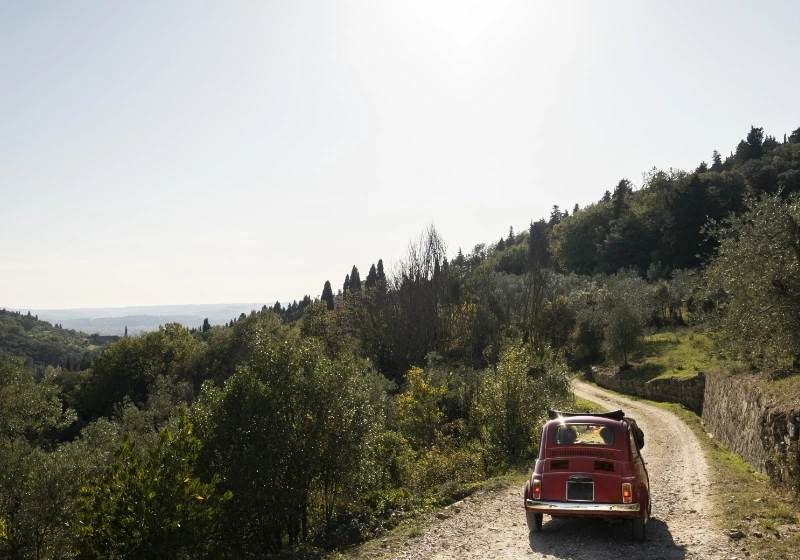
Unlike large metropolitan areas, Tuscany isn’t built around a single city. Many of its most beautiful wedding venues are located in the countryside or in small historic villages, where public transportation is limited and taxis may not always be readily available.
For this reason, the journey doesn’t end at the airport or train station. The last part of the trip, from the city to the venue, between accommodations and wedding events, and back again, is often the part that requires the most planning.
Understanding this distinction from the beginning helps couples set realistic expectations and make more informed decisions throughout the planning process.
How People Actually Move Around Tuscany
There isn’t a single way to get around Tuscany. The best transportation option depends on where you are, what you’re doing, and the stage of your wedding journey.
Before the wedding, a rental car is often the most practical choice, especially if you’re visiting venues or staying in the countryside. It offers the flexibility to explore areas where public transportation is limited.
For guests arriving in Tuscany, the right solution depends on their travel plans. Many couples’ friends and family turn the wedding into a longer holiday, arriving on different days and exploring the region before the celebrations begin. As a result, transportation often needs to accommodate multiple arrival schedules rather than a single group transfer. When needed, airport or train station transfers can also be arranged.
During the wedding weekend, transportation is planned differently. Dedicated shuttle services are often the best solution, allowing guests to enjoy the celebration without worrying about driving, parking, or finding their way back at the end of the evening.
The main exceptions are when everyone stays at the venue or when the wedding takes place entirely within Florence’s historic centre, where most locations are easily reached on foot.
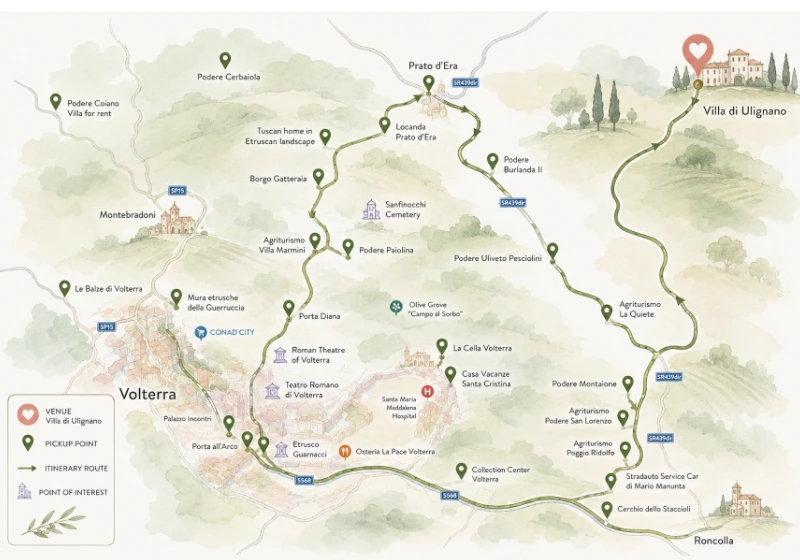
Transportation also becomes more complex when guests stay in different locations. Every additional pickup point affects the route, timetable, travel times, the type and number of vehicles required, and ultimately the overall transportation budget. That’s why transportation and guest accommodation are often planned together rather than treated as separate decisions.
Finally, taxis work differently in Tuscany than in many other destinations. Outside larger cities, they are generally few in number, operate by advance booking, and shouldn’t be considered a reliable solution for wedding transportation.
Wedding Transportation Is a Different Story
Planning transportation for a wedding is very different from planning transportation for a holiday.
During a trip, everyone can decide when to leave, where to go, and how to get there. On a wedding day, dozens of guests need to arrive at the right place at the right time, sometimes moving between multiple locations throughout the celebration.
For this reason, transportation becomes part of the wedding itself. Keeping wedding guests on schedule helps the day run smoothly for guests, vendors, and the venue alike.
Transportation is also a key part of the guest experience. Well-planned transportation allows everyone to relax, enjoy the celebration, and avoid worrying about driving, parking, or finding directions between locations.
Perhaps most importantly, transportation provides a reliable way for guests to return to their accommodation at the end of the evening. Many Tuscan wedding venues are located in rural areas where taxis are simply unavailable, making organised transportation not just a convenience, but often the only practical option.
When transportation is planned as part of the overall wedding experience rather than as a last-minute service, guests simply arrive where they need to be, and know they’ll have a safe and reliable way back.
What Determines the Cost of Wedding Transportation?
One of the most common questions couples ask is:
“How much should we budget for transportation?”
The honest answer is that there isn’t a fixed price. However, understanding what influences the cost makes it much easier to estimate a realistic budget.
Unlike many wedding services, transportation isn’t simply calculated per guest. The final cost depends on the logistics of the wedding, meaning that even small changes can affect the quotation.
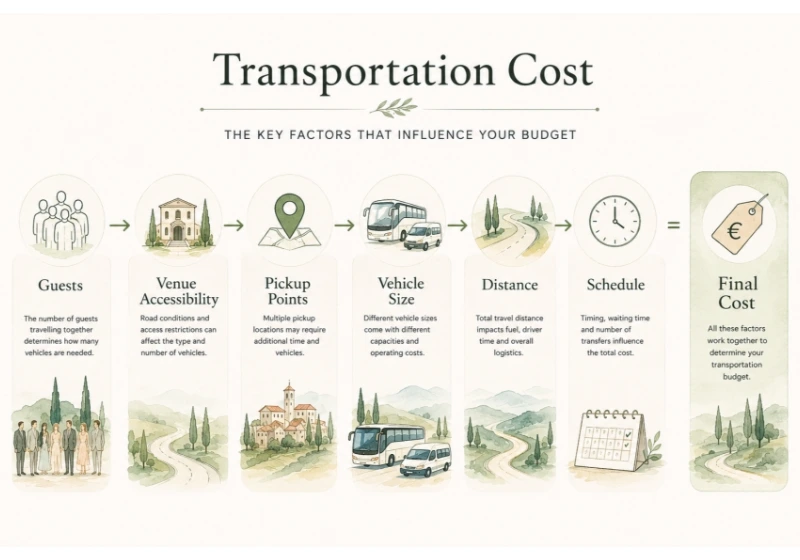
The main factors that influence the transportation budget include:
- The number of guests travelling together. The starting point that determines how many vehicles are required.
- The accessibility of the venue and pickup locations and the type of vehicle required. Often country roads cannot accommodate large coaches. In these cases, multiple smaller vehicles may be needed and this can significantly increase the overall budget, even for the same number of guests.
- Travel distances and the itinerary. Longer journeys or transportation between multiple venues naturally require more driving time.
- The number of pickup and drop-off locations. Every additional stop increases travel time, coordination, and the complexity of the transportation plan.
- The schedule. Late-night returns, multiple transfers, or significant delays may require additional vehicle hours and result in extra charges.
As a general guideline, transportation for around 50 guests on the wedding day typically ranges from €1,500 to €2,500, depending on the factors above. Simpler organization generally falls toward the lower end of the range, while restricted venue access, multiple pickup points, or more complex itineraries can increase the overall cost.
Understanding these factors helps couples make informed decisions and often reveals opportunities to simplify the transportation planning without compromising the overall experience.
If you’re planning your overall wedding budget, you may also find our guide on how much a wedding in Tuscany costs helpful.
Why Early Transportation Planning Makes a Difference
One of the biggest misconceptions about wedding transportation is that it can be organised once all the details have been finalised.
In reality, the opposite is often true.
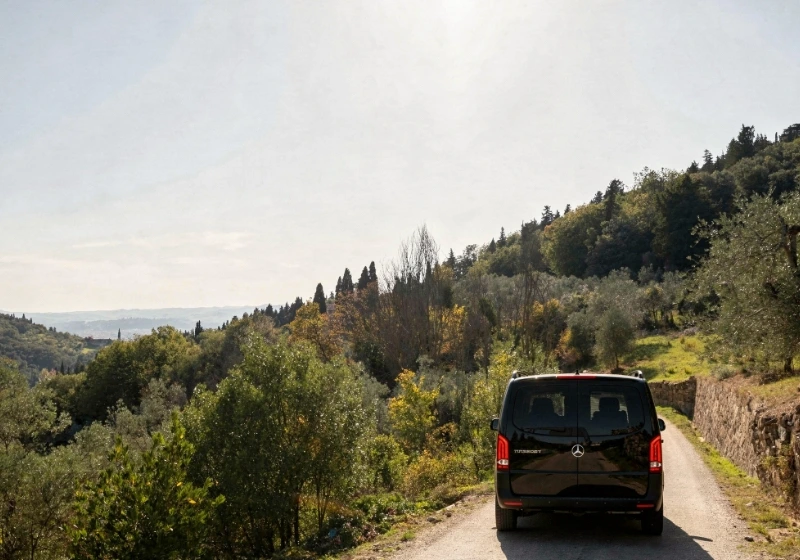
Transportation is one of the services with the most limited availability during the wedding season in Tuscany. The most reliable providers are frequently booked months in advance, which means vehicles often need to be reserved before every logistical detail has been confirmed.
In practice, transportation is often reserved using a provisional itinerary, which is then refined as guest accommodation, timelines, and event details are confirmed. This approach secures vehicle availability while leaving enough flexibility to adjust the schedule closer to the wedding day.
For this reason, we strongly encourage couples to recommend strategic accommodation areas whenever possible. Having guests stay in a small number of well-connected locations makes transportation easier to organise, helps keep costs under control, and reduces the risk of last-minute complications.
This becomes particularly important when guests book independent accommodations such as Airbnb properties or private villas. The exact address often isn’t available until after the reservation is confirmed, making it difficult to verify travel times, accessibility, and whether a coach can actually reach the property. It’s not uncommon to discover that a booked vehicle cannot access a particular location, requiring alternative solutions at the last minute.
Keeping accommodations concentrated in practical areas doesn’t just simplify transportation planning. It also reduces the chances of guests getting lost, minimises delays, avoids unexpected costs, and creates a smoother experience for everyone involved.
Ultimately, transportation planning isn’t only about booking vehicles. It’s about coordinating guest accommodation, venue logistics, and the wedding timeline early enough to avoid problems that become much harder and sometimes impossible to solve as the wedding day approaches.
When Transportation Becomes Part of the Guest Experience
The best transportation plan is the one your guests never notice.
They simply arrive where they need to be, at the right time. They enjoy every moment of the celebration without worrying about directions, parking, or how they’ll get back to their accommodation at the end of the evening.
When couples tell us, “Everything felt so easy,” or when guests say that the entire weekend flowed seamlessly, we know the transportation planning has done exactly what it was meant to do.
Behind that effortless experience is careful planning, local knowledge, and a transportation strategy designed long before the wedding day.
In Tuscany, transportation isn’t simply about moving people from one place to another. It’s about creating a wedding weekend where everything feels seamless, for you and for every guest sharing the experience.